Effective solids removal at the headworks represents one of the most critical design decisions in municipal wastewater treatment infrastructure. While coarse screening has traditionally served as the standard first line of defense, evolving regulations and equipment protection requirements are driving many facilities toward finer screening technologies capable of capturing smaller debris fractions before they impact downstream processes.
Understanding Screening Performance Criteria
The fundamental purpose of preliminary screening extends beyond simple debris removal. Modern treatment facilities require screening systems that protect high-value equipment, reduce grit accumulation, minimize fiber rag formation, and improve overall process stability. The transition from 6-8mm bar screens to 3-6mm fine screens, and in some cases to 1-3mm micro-screens, reflects changing priorities in wastewater management.
Performance evaluation must consider multiple operational parameters. Capture efficiency varies significantly based on screen aperture size, channel velocity, approach conditions, and debris characteristics. A well-designed screening system maintains consistent capture rates across varying flow conditions while minimizing headloss and screenings volume production.
According to EPA NPDES guidance, screening systems must be designed to handle both average and peak flow conditions without causing upstream flooding or allowing debris bypass during storm events. This dual requirement often necessitates redundant screening capacity or variable-speed operation.
Channel Hydraulics and Approach Conditions
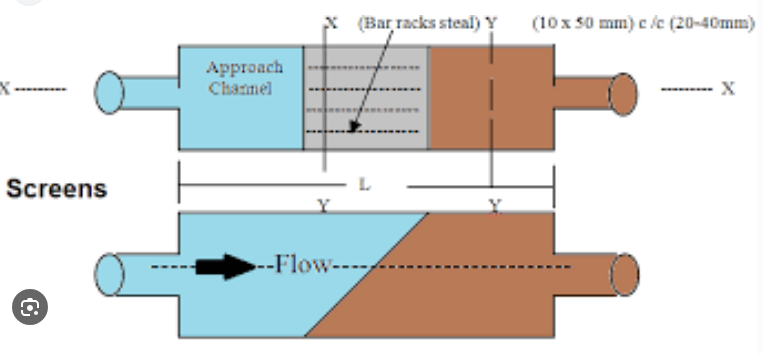
Proper channel design upstream of screening equipment dramatically influences performance. Approach velocity should remain below 0.9 m/s under average flow conditions, with gradual transition zones preventing turbulence that could cause debris settling or uneven flow distribution. Many facilities struggle with screening performance due to inadequate attention to approach hydraulics during initial design.
Channel width, depth, and configuration must account for head loss across the screen under clean and partially blinded conditions. The differential head typically ranges from 150-300mm under normal operation but can increase to 600-900mm before cleaning cycles activate. This variable head loss affects upstream water levels and must be considered in overall facility hydraulic grade line calculations.
Submerged screen installations require particular attention to submergence ratios and downstream water level control. Insufficient submergence can introduce air entrainment and reduce screening effectiveness, while excessive submergence increases power requirements and may contribute to screenings compaction issues.
Equipment Selection Considerations
Fine screening systems fall into several broad categories, each with distinct operational characteristics. Perforated plate screens offer robust construction and reliable performance but generate relatively high volumes of wet screenings. Band screens provide continuous cleaning action with lower headloss profiles but require more maintenance attention. Step screens excel at handling variable flows with minimal energy consumption but may struggle with certain debris types.
The selection process should evaluate multiple factors beyond initial capital cost. Annual operating expenses typically include power consumption, water usage for cleaning systems, screenings handling and disposal, and routine maintenance requirements. A comprehensive lifecycle cost analysis often reveals that higher-efficiency screening systems justify premium capital investment through reduced long-term operating expenses.
Capture efficiency requirements drive aperture selection. Systems designed to protect membrane bioreactors or advanced treatment processes may require apertures as small as 1-2mm, while facilities with conventional activated sludge treatment might specify 3-6mm openings. The smaller the aperture, the greater the screenings production and associated handling costs.
Screenings Characteristics and Handling
Screenings composition varies widely based on collection system characteristics, industrial contributions, and seasonal factors. Typical screenings contain plastics, paper products, feminine hygiene items, wipes, rags, and organic material. The proliferation of “flushable” wipes has significantly increased screenings volumes at many facilities, with some reporting 200-300% increases over the past decade.
Moisture content directly impacts screenings handling and disposal economics. Raw screenings typically contain 70-80% moisture by weight, while compaction or washing systems can reduce moisture to 50-65%. This moisture reduction substantially decreases disposal costs, particularly for facilities paying tipping fees by weight.
Washing systems remove organic matter and grit from captured screenings, reducing odor potential and improving the aesthetics of the material. However, wash water requires recirculation to the headworks, potentially increasing hydraulic loading and introducing additional solids. Some facilities find that screenings washing generates operational headaches that outweigh the benefits, while others consider it essential for odor control.
Integration with Downstream Processes
Fine screening directly impacts grit removal performance and secondary treatment operation. Effective debris removal reduces grit chamber loading, allowing grit removal systems to focus on inorganic particles rather than mixed debris. This separation improves grit quality and facilitates disposal or potential beneficial reuse.
In biological treatment processes, fiber accumulation in aeration basins represents a significant operational challenge. Fine screens substantially reduce fiber loading, minimizing rag buildup on aerators and improving oxygen transfer efficiency. Facilities that have retrofitted fine screening frequently report dramatic reductions in basin maintenance requirements and improved treatment consistency.
Solids processing systems also benefit from upstream fine screening. Centrifuges, belt presses, and screw presses all perform more reliably when feed sludge contains minimal fiber and debris. The cost of screenings removal at the headworks is typically far lower than addressing these materials in dewatering equipment.
Operational Reliability and Maintenance Requirements
Mechanical screening equipment operates continuously under demanding conditions, making reliability a paramount concern. Critical components include the cleaning mechanism, drive system, control sensors, and structural frame. Stainless steel construction throughout all wetted components prevents corrosion-related failures, while redundant systems ensure continued operation during routine maintenance periods.
Automated cleaning systems must activate based on differential pressure or time intervals, with manual override capability for emergency situations. Under-cleaning allows excessive screenings buildup and potential screen blinding, while over-cleaning wastes energy and accelerates wear. Proper calibration of cleaning cycle frequency represents an ongoing optimization opportunity.
Preventive maintenance programs should address drive system lubrication, spray water nozzle inspection, wear component replacement, and structural integrity verification. Many facilities find that quarterly detailed inspections, combined with monthly operator attention to operational parameters, prevent most unexpected failures. Spare parts inventory should include critical items with long lead times to minimize downtime risk.
Preventing these common failures requires adherence to industry best practices and regulatory requirements. For comprehensive guidance, facility operators should review the screening equipment standards in wastewater treatment outlined by the EPA, which provide detailed specifications for all aspects of screening system design and operation.
Future Developments and Emerging Technologies
Advanced screening technologies continue to evolve in response to changing wastewater characteristics and regulatory requirements. Passive screening systems with no moving parts offer ultra-high reliability for certain applications, though they typically require more frequent manual cleaning. Hybrid systems combining multiple screening mechanisms attempt to capture the benefits of different approaches while minimizing individual limitations.
For facilities evaluating fine screening systems, thorough analysis of site-specific conditions and treatment objectives guides appropriate technology selection. Variables including peak flow capacity, debris characteristics, available head, space constraints, and lifecycle cost considerations all factor into optimal system configuration. Professional engineering support during design and procurement phases helps ensure that selected equipment meets performance requirements while fitting within budget and operational capabilities.
The shift toward finer preliminary treatment screening reflects industry-wide recognition that protecting downstream processes from debris improves overall facility performance and reduces long-term costs. As equipment technology continues advancing and operational experience accumulates, fine screening systems will likely become standard practice at an increasing percentage of municipal treatment facilities.